Free Concrete Invoice Template With Material and Labor Lines
A concrete invoice template that separates materials, labor, and equipment line items. Built for driveway, patio, and slab contractors who need to get paid faster.
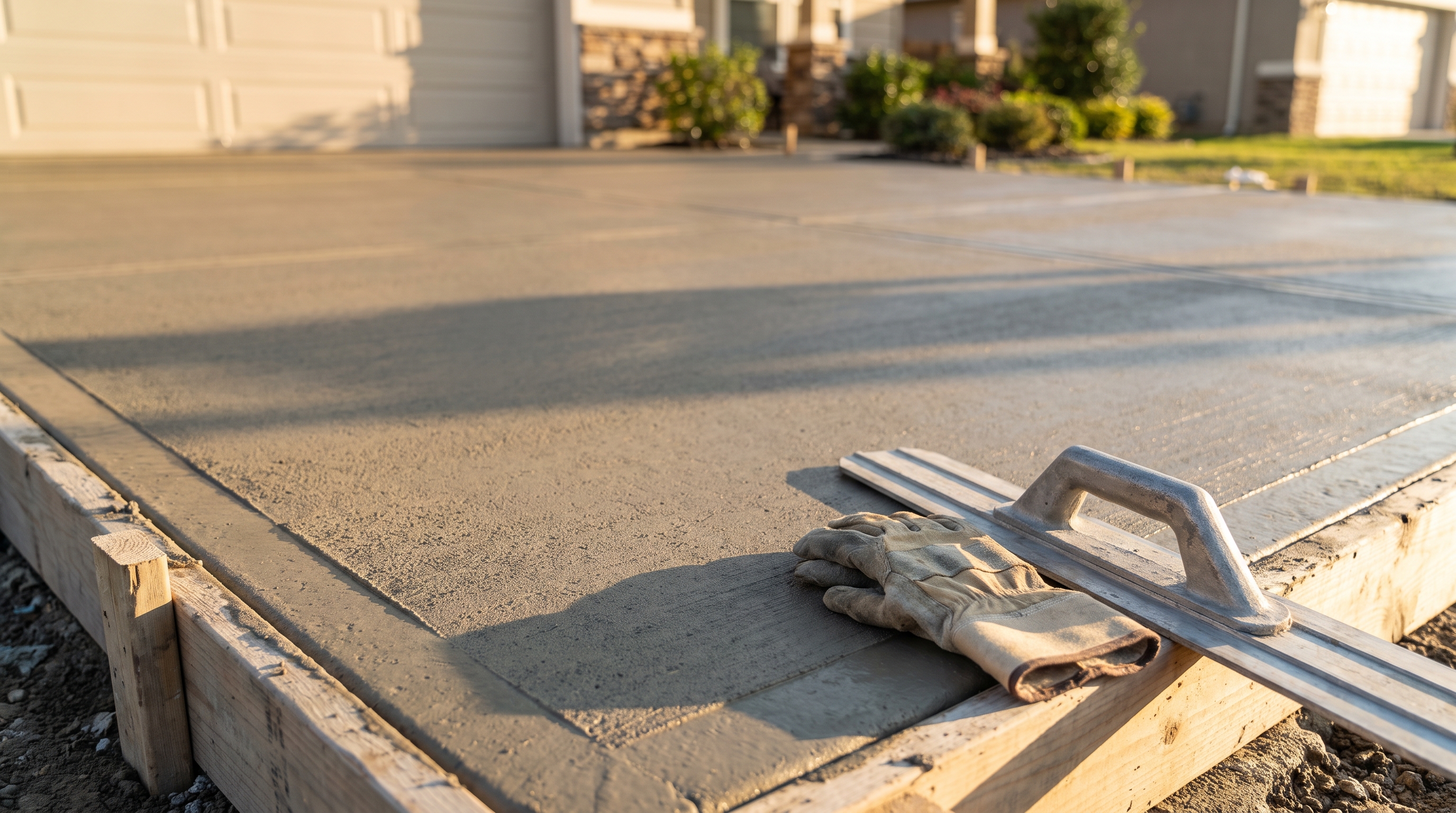
A homeowner stares at a concrete driveway invoice with one line item: "Driveway - complete." No yardage, no PSI, no breakdown of the pump truck charge. The check sits on the kitchen counter for three weeks.
Most concrete invoice templates are either generic construction forms that skip concrete-specific line items (pump fees, yardage, PSI, saw cuts, curing) or free downloads that give you the fields without explaining how to structure them so a client understands the charges immediately. This article covers the line items, the structure, and the billing mistakes that stall payment, with a template built for the job.
Quick answer: A concrete invoice template needs fields that generic construction invoices skip: mix design and PSI, cubic yards, supplier delivery ticket numbers, pump truck fees, and a scope summary with slab area, thickness, and finish type. Separating materials from labor and equipment on separate lines makes the math visible and traceable. The five-step billing process is: confirm scope, issue deposit invoice if needed, pull delivery tickets and time sheets, build the invoice with separate lines, and apply the deposit before setting terms and sending.
What a Concrete Invoice Needs That a Generic Construction Invoice Doesn't
Concrete work has variables that other trades do not deal with. The mix design and PSI rating confirm that what was poured matches what was specified. Supplier delivery ticket numbers tie the invoice to the batch plant's records. Total cubic yards is a concrete-specific field.
The scope summary on a concrete invoice should state the slab area, the thickness, and the finish type. Without these fields, the client has no way to verify what they are paying for.
Separating materials from labor matters for concrete work. When material costs appear as a separate line item rather than buried in a lump sum, the math is visible and traceable. A construction invoice needs a materials section with columns for description, individual price, quantity, and total (price times quantity).
The Essential Sections of a Concrete Invoice Template
The header section starts with your business name, address, phone, email, and contractor license number. Include your insurance certificate reference.
The invoice needs a sequential invoice number. Some accounts payable departments will not accept an invoice without one. It keeps your invoice from getting kicked back after sitting on a desk for a few weeks.
The scope section is where concrete invoices diverge from generic ones. State the slab area, thickness, and finish type. Include the mix design and PSI, delivery ticket numbers, and total cubic yards. Add permit and inspection numbers, plus any test or compaction report IDs where local rules require them.
The cost breakdown section needs separate categories for labor, concrete materials, formwork, reinforcement, equipment, testing, disposal, and subcontractor charges where required. A totals section should include the subtotal, any discounts, the tax amount, and the final balance. For cost-plus contracts, include the cost total and the agreed-upon percentage.
Include payment terms, deposit tracking, and tax. Deposits should be recorded as payments on account and shown as a credit on the final invoice so totals reconcile.
Material Lines: What to Itemize for Concrete Work
Ready-mix concrete supply is a core material line. Bill it as quantity times unit cost, with the mix design and any additives specified. Materials remain in place, so the sale is taxable.
Rebar and tie wire get their own line with quantity times unit cost.
Color hardener and release agents for decorative work should be itemized separately. On a stamped patio, the stamping labor and the color hardener or release agent should be separate line items, and tax should only be applied to the taxable items.
Cold-weather protection materials, including heating blankets, keep concrete curing correctly in low temperatures. Base gravel and compaction materials for subgrade repair are required to meet spec and prevent settlement.
Each material line should include the description, individual price, quantity, and total. Break down costs into organized categories like concrete mix, labor, reinforcements, and additional fees. A template with built-in formulas automates the calculations for itemized costs, taxes, and totals.
Labor Lines: Breaking Out Crew Time
Site visit and layout covers the initial measure and stake to verify dimensions and elevations before digging starts. Bill it as hours times hourly rate.
Excavation and subgrade prep follows, billed as hours times hourly rate, covering the excavation, grading, and compaction to spec for a stable base.
Forming and stripping covers building, bracing, and later stripping forms with safe cleanup. Placement and finish labor covers screeding, floating, edging, and the broom or trowel finish specified.
For decorative work, stamping labor is its own line item. After-hours pour premiums apply to night or early pours needed to meet conditions, billed as quantity times the premium rate.
A construction invoice should include a column for the labor description, the rate per hour, the number of hours, and the total.
Equipment and Service Lines That Get Missed
Concrete pump truck fees are commonly omitted. The pump truck is a supplier or equipment cost, not crew labor, and should be passed through as billed. For a small slab that still requires a pump, pump and minimum-load fees are supplier or equipment costs, not crew labor.
Short-load surcharges from the batch plant belong on the invoice as a separate line. For night or weekend pours, after-hours premiums and lighting or generator rental should be separate line items because off-hour work changes crew rates and requires temporary power and lighting.
Cold-weather protection equipment, including heating and blankets rental, is required for pours below recommended temperatures. Haul-off and disposal for demolition debris should be billed as cost times fees, with receipts retained from the approved facility.
Permit and inspection coordination rounds out the equipment and service section, billed as hours times an admin rate or as pass-through fees.
Billing Scenarios: How to Label Charges for Different Concrete Jobs
Driveway replacement with demolition and haul-off. Separating the removal from the new work makes scope and permit closeout clear.
Decorative stamped patio with color. Stamping labor and color hardener or release agent should be separate line items. Confirm what is taxable for your trade, then apply tax only to the correct items and state the rate clearly.
Cold-weather pour. Extra materials and gear like heating blankets keep the concrete curing correctly in low temperatures. Add cold-weather protection materials and heating or blankets rental as separate line items.
Night or weekend pour. Off-hour work changes crew rates and needs temporary power and lighting. After-hours premiums and lighting or generator rental should be separate line items.
Subgrade repair. Stabilizing the base is required to meet spec and prevent settlement. Labor for subgrade repair and base gravel with compaction appear as distinct lines from the new concrete work.
Small slab requiring a pump. Pump and minimum-load fees are supplier or equipment costs, not crew labor.
Common Concrete Invoicing Mistakes That Delay Payment
Bundling everything in one lump. Bundling materials, labor, and equipment in one lump hides quantities and sparks disputes. Break out each component with units and rates so the math is obvious and traceable.
Leaving out permit and inspection identifiers. Leaving out permit or inspection identifiers delays sign-off and payment. Show permit and inspection numbers and test references on the document. If you are unsure which ones are required, check local rules.
Not attaching delivery tickets. Not attaching supplier delivery tickets leaves yardage and mix unverified. Attach or reference all ticket numbers and keep copies with the invoice as proof of quantity and mix. Reconcile billed concrete quantities with delivery tickets before sending the invoice.
Vague scope descriptions. Writing a vague scope with no thickness, PSI, or finish leads to change disputes. State the area, thickness, finish, and mix design on the invoice and link to any approved change order. Invoice descriptions should match the contract scope and cost codes. Reference approved change orders separately.
Deposit tracking errors. Record deposits as payments on account and show the credit on the final invoice so totals reconcile.
Tax applied incorrectly. On decorative jobs, some materials are taxable and some are not. Apply tax only to the correct items and state the rate clearly.
How to Use the Template: Step by Step
Step 1: Confirm the scope and schedule with the client. Agree on slab size, thickness, finish, and who handles site prep before ordering materials or booking crew time.
Step 2: Issue a deposit invoice if needed. For larger jobs, issue a deposit invoice for mobilization and materials before ordering or booking. A deposit invoice covers mobilization and materials before the pour.
Step 3: Pull delivery tickets, time sheets, and equipment logs. After the pour or milestone, gather the supplier delivery tickets, crew time sheets, equipment rental invoices, and any approved change orders. Reconcile billed concrete quantities with delivery tickets.
Step 4: Build the invoice with separate lines. Organize the invoice with distinct sections for labor, materials by mix and yards, equipment, permits, and surcharges. Use descriptions that match the contract scope and cost codes. Reference approved change orders separately. Attach the delivery tickets and any other supporting documentation. For more on structuring an invoice that gets paid, see how to write an invoice.
Step 5: Apply the deposit, set payment terms, and send. Apply any deposit as a credit on the final invoice, set the payment terms and due date, add payment options, and send.
A construction invoice follows the same structure whether you are billing for concrete, framing, or finish work: separate lines, clear scope, and documented changes.
Getting the Invoice Paid
A concrete invoice that separates materials, labor, and equipment into clear line items with delivery ticket references and permit numbers removes the reasons a client has to delay payment. When the math is visible and the backup documentation is attached, the invoice answers its own questions.
For concrete contractors, payment timing matters. Every week an invoice sits unpaid is a week cash flow takes the hit. Setting clear payment terms and following up systematically closes the loop. When unpaid invoices start stacking up, a payment reminder system handles the follow-up so you do not have to chase every check yourself.
READ MORE